
The UEFA Conference League clash between Sweden’s Hammarby IF and Belgium’s Royal Charleroi S.C. (0-0) was more than just a fast-paced, engaging football match—it was a symbolic showdown between two clubs striving to cement their identities in the European football landscape.
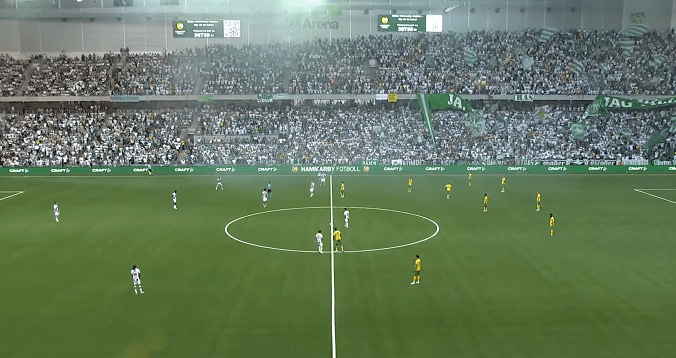
While Royal Charleroi S.C. edged possession and tempo, showcasing slick combinations and structured transitions, Hammarby IF impressed with intensity, verticality, and emerging individual brilliance. A few years ago, such a high-level continental duel featuring Hammarby might have seemed unlikely. Now, it is a reflection of the club’s strategic evolution across both sporting and institutional dimensions.
⚽ The Match: Tactical Duel and Breakout Performers
From the opening whistle, both teams opted for proactive football. Charleroi’s tempo control and refined positional play helped them to create early overloads in midfield. Their passing was sharp and disciplined, often led by Yassine Titraoui, a mobile orchestrator who dictated much of the attacking rhythm. Alongside him, Check Keita impressed in deeper roles, both breaking up Hammarby counters and initiating transitions. Jakob Napoleon Romsaas (Charleroi), with his high pace and direct style, constantly probed Hammarby’s backline and added width and unpredictability in the final third.
Yet, Hammarby did not yield. The Swedish side, under the tactical leadership of Kim Hellberg, showed admirable adaptability. Their transitions were electric, and they grew into the game with increasing confidence.
Three players stood out for Hammarby:
- Hampus Skoglund (2004, right-back), a composed and technically gifted presence, anchored the team’s central areas with maturity well beyond his years.
- Victor Eriksson (2000, centre-back), aggressive and precise in his decision-making, constantly found pockets to exploit and distribute with clarity.
- Sebastian Tounekti (2002, left winger), dynamic and unrelenting, pushed the tempo from the flanks and stretched Charleroi’s defensive structure.
While Charleroi maintained a slight edge in coordinated patterns and game control, Hammarby‘s compact pressing and vertical movement ensured the contest remained open and highly competitive.
🔍 ScoutMania’s Take: Hammarby’s Model – A Nordic Blueprint for Growth
Beyond the 90 minutes, what truly captures our attention at ScoutMania is Hammarby’s long-term development model. Over the past decade, the Stockholm-based club has quietly—but confidently—emerged as one of the most progressive institutions in Nordic football.
The foundations of this rise are rooted in a clear leadership structure:
- Kim Hellberg, appointed as head coach, represents a new generation of modern Scandinavian tacticians. His blend of data-driven analysis, adaptable formations, and player-centric development has been instrumental.
- Mikael Hjelmberg, the club’s sports director, has crafted a recruitment pipeline that balances academy development with strategic signings. His eye for structure and alignment across departments has been key.
- Adrian von Heijne, the club’s technical director, formerly head scout at OB in Denmark, brings cross-border knowledge and a refined understanding of youth development and identity building.
Together, this trio has overseen not only the men’s first team’s European ambitions but also a surge in the club’s wider ecosystem.
- The Academy, especially in recent years, is starting to rival Sweden’s most productive development hubs. There’s been a clear uptick in professional readiness, player sales, and international representation.
- The Women’s First Team has also taken major steps, competing among the strongest in the country with a professionalized structure, increasingly drawing from a high-quality youth setup.
Hammarby is becoming a reference point for how to scale club operations steadily while respecting identity, culture, and community involvement.
🔍 Charleroi: Quiet Stability Through a Respected Structure
Across the pitch, Royal Charleroi Sporting Club represents another model worth observing, particularly in the Belgian context.
Under head coach Rik De Mil, formerly an assistant at Club Brugge, the team has undergone a quiet tactical transformation. De Mil’s Belgian-Flemish approach—built on possession with purpose, youth integration, and fluid attacking roles—was visible throughout the match. His work is both process-oriented and patient, allowing the club to maintain competitiveness in Belgium while offering room for players like Titraoui and Keita to mature within a stable framework.
Off the field, few figures in Belgian football are more influential than Mehdi Bayat, the club’s managing director. Known for his meticulous attention to both operational and sporting details, Bayat has helped maintain Charleroi’s status as a respected, financially sustainable top-flight club in Belgium—a notable achievement in an increasingly volatile football market.
📈 Conclusion: Inspiration Across Borders
Whether you’re a scout, coach, director, or academy builder, the clash between Hammarby and Charleroi offers deeper lessons than a final scoreline can convey.
- Hammarby IF, with its systematic rise across all sections of the club, embodies a new Nordic benchmark. There’s a strategic patience in how they’re building—and it’s beginning to bear fruit both in Sweden and on European nights.
- Royal Charleroi S.C., with its understated consistency, player development platform, and professional management culture, remains one of the best-run mid-sized clubs in continental football.
For ScoutMania, this clash was more than a fixture. It was a study in contrast—and convergence—between two clubs who are redefining sustainable success through intelligent leadership, coherent identity, and long-term investment in human capital.
Scouting Notes:
✅ Hampus Skoglund (Hammarby) – Composed, alert, and excellent ball progression under pressure. One to watch.
✅ Victor Eriksson & Sebastian Tounekti (Hammarby) – Great athletic profiles, played with a real sense of momentum and risk-taking.
✅ Yassine Titraoui (Charleroi) – Strong tactical intelligence, glides between lines, vital in transition.
✅ Check Keita (Charleroi) – Anchoring presence, crisp short-passing and physical in duels.
The second match between the two teams will be highly exciting! Final analysis, it was a match of two clubs with really good and passionate supporters as well.
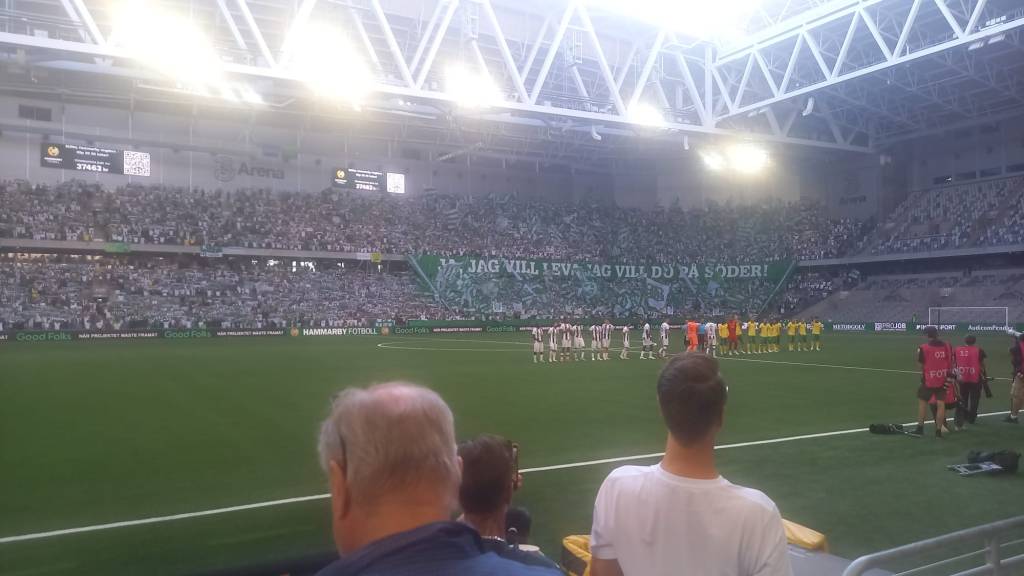
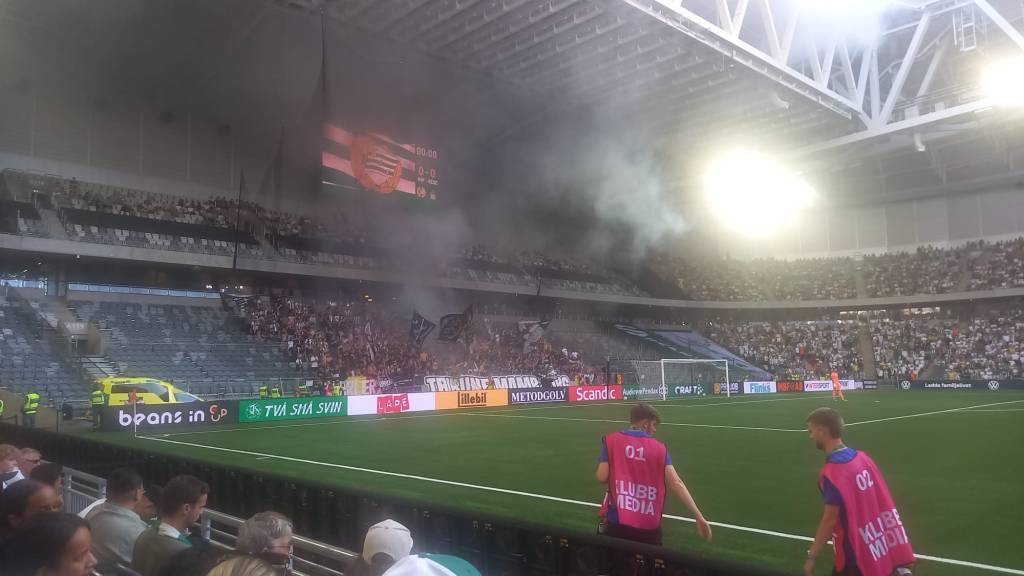
(Photos above: Olof Broberg, ScoutMania main scout for the Swedish territory)
Wide open for the final match next week in Belgium, might be a slight better situation for this match away team in the Stockholm round.
Discover more from Scoutmania
Subscribe to get the latest posts sent to your email.
 Scoutmania